

Apple’s renewed push into more accessible hardware with the MacBook Neo signals a meaningful shift in the education device landscape. For years, schools have defaulted to Chromebooks, largely due to cost, but that gap is narrowing. Where Apple once sat firmly in the “premium-only” category, this new direction opens the door for districts that previously couldn’t justify Mac adoption at scale. The result? A legitimate reevaluation of what “budget-friendly” actually means in education procurement.

For the last decade, Chromebooks have dominated classrooms for one primary reason: affordability.
But that advantage is getting harder to maintain.
Schools are increasingly running into a “crunch on Chromebook availability” driven by:
At the same time, as schools try to upgrade Chromebook configurations to address these issues, rising costs quickly erode their original price advantage.
When you look beyond sticker price, the equation starts to shift.
Upgraded Chromebooks with sufficient storage and performance are often closer in cost to entry-level Apple devices than expected.
Especially when factoring in:
In that context, Apple’s “Macbook Neo” positioning becomes more than just competitive; it becomes practical.
You’re no longer choosing between “cheap” and “premium.”
You’re choosing between short-term savings vs. long-term usability.
One of the biggest hesitations around Apple in education has always been ecosystem compatibility.
That concern is largely outdated.
Schools can fully operate within existing workflows using:
Even in an Apple device environment, the Google ecosystem remains fully functional and widely supported. That means schools don’t have to rebuild their digital infrastructure to make a hardware shift.
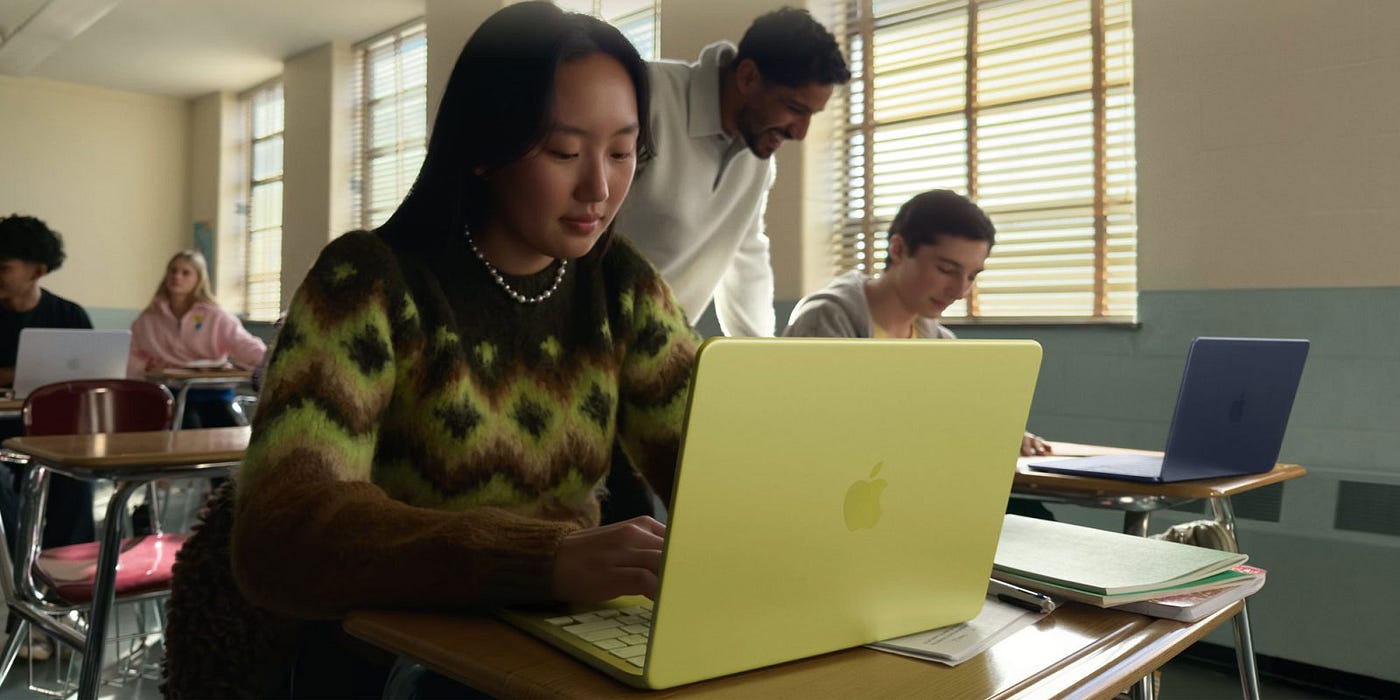
Apple’s increasing focus on direct-to-education purchasing models is also changing how the industry operates. Traditional resellers are not part of the deployment strategy when Apple sells direct to schools.
But traditional resellers remain very relevant. As direct procurement expands, resellers can increase their roles as support partners and ecosystem enablers. Additional opportunities exist in areas like deployment services, lifecycle management, and protection strategies.
As device conversations shift in education, one thing isn’t changing: schools still need help protecting the technology they invest in.
That creates a major opportunity for resellers to stay involved through protection, support, and lifecycle solutions… even as hardware purchasing evolves.
When schools move toward higher-value devices, downtime and accidental damage become bigger concerns. IT teams are thinking beyond the initial purchase and focusing more on long-term durability, replacement costs, and keeping devices in students’ hands.
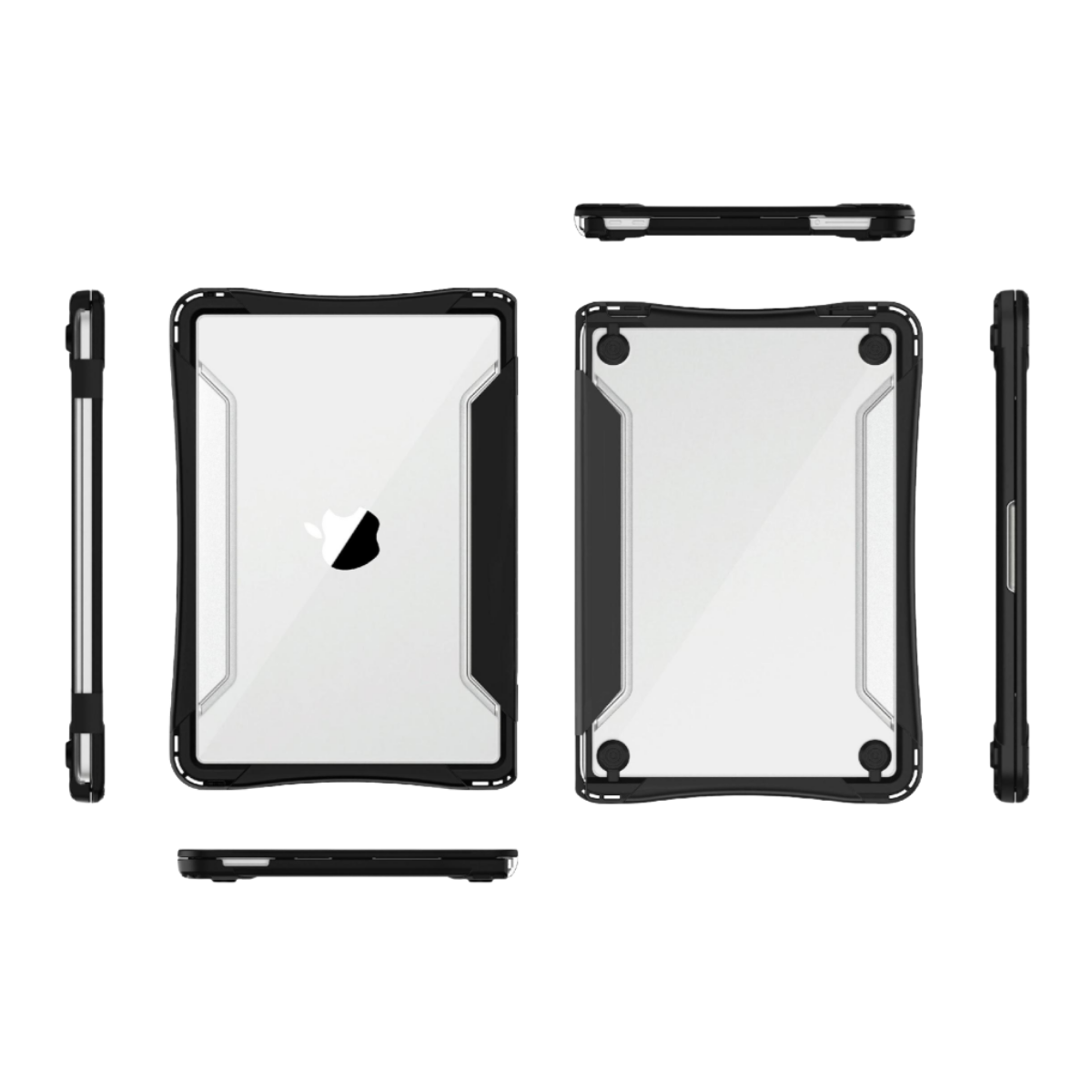
That’s where ShockGUARD cases for MacBook Neo deployments come in.
ShockGUARD is built for the realities of education:
The goal is simple: reduce avoidable damage and minimize downtime.
But cases can only protect against so much. There will always be accidents no case can fully prevent (a device run over by a car, dropped in a puddle, or thrown across the room by a frustrated sibling).
That’s why we’re also developing AssetGUARD (coming soon), a protection program designed to help schools and families cover the unexpected incidents that physical cases can’t stop.
Together, ShockGUARD and AssetGUARD create a more complete protection strategy:
Whether you're evaluating MacBook Neo for your school, managing Chromebook limitations, or navigating Apple’s direct-to-education shift, the underlying challenge is the same:
How do you maximize device value while minimizing long-term cost and disruption?
Our team can help you build that strategy with ShockGUARD protection for MacBook Neo environments and beyond.
Chat with our team today to explore our ShockGUARD case and AssetGUARD insurance solutions for your school or reseller program.
.svg)


